Research & Validation
The technologies that define Pison’s breakthrough capabilities have been consistently validated across a wide array of sources and authorities. If appropriate, these documentary offerings can be shared for better insight into the sources and implications of these studies.
-
Physiological Monitoring Under Varied Conditions of Workload and Fatigue
Pre-motor based PVT offers a more reliable and objective solution by directly assessing mental alertness and fatigue, allowing managers to make informed decisions about safety, fatigue, and performance. The US Army published a technical report…
-
On-Body Measure of Reaction Time Provides Real-time Triage of Impairment
This Military Medicine paper describes Pison’s wrist-worn reaction-time technology and its use during military breaching training and a special operations competition. Changes from an individual’s baseline can help users monitor operational readiness and recognize possible…
-
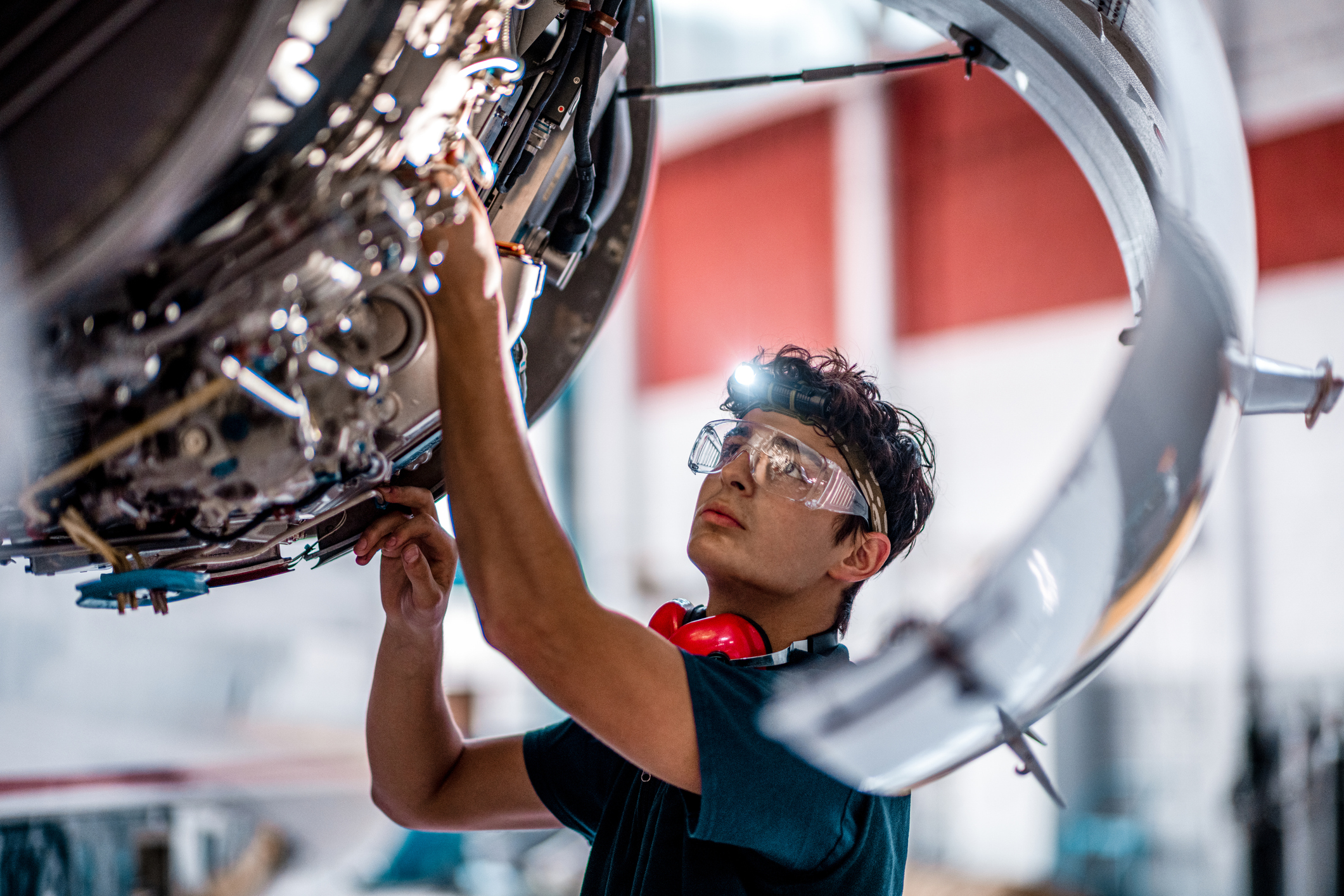
The New Paradigm for Managing Workforce Safety: Psychomotor Vigilance Testing
Psychomotor Vigilance Testing (PVT) is revolutionizing workforce safety programs. PVT offers a more reliable and objective solution by directly assessing mental alertness and fatigue, allowing managers to make informed decisions about worker safety and performance.
-

Neuromechanical Models of Mild Traumatic Brain Injury Conditioned on Reaction Time: A Systematic Review and Meta-Analysis
This paper is a review conducted by Auburn University and Pison researchers of existing research on the use of neuromechanical probabilistic models as tools for assessing mild traumatic brain injury. The emphasis was on reaction…
-
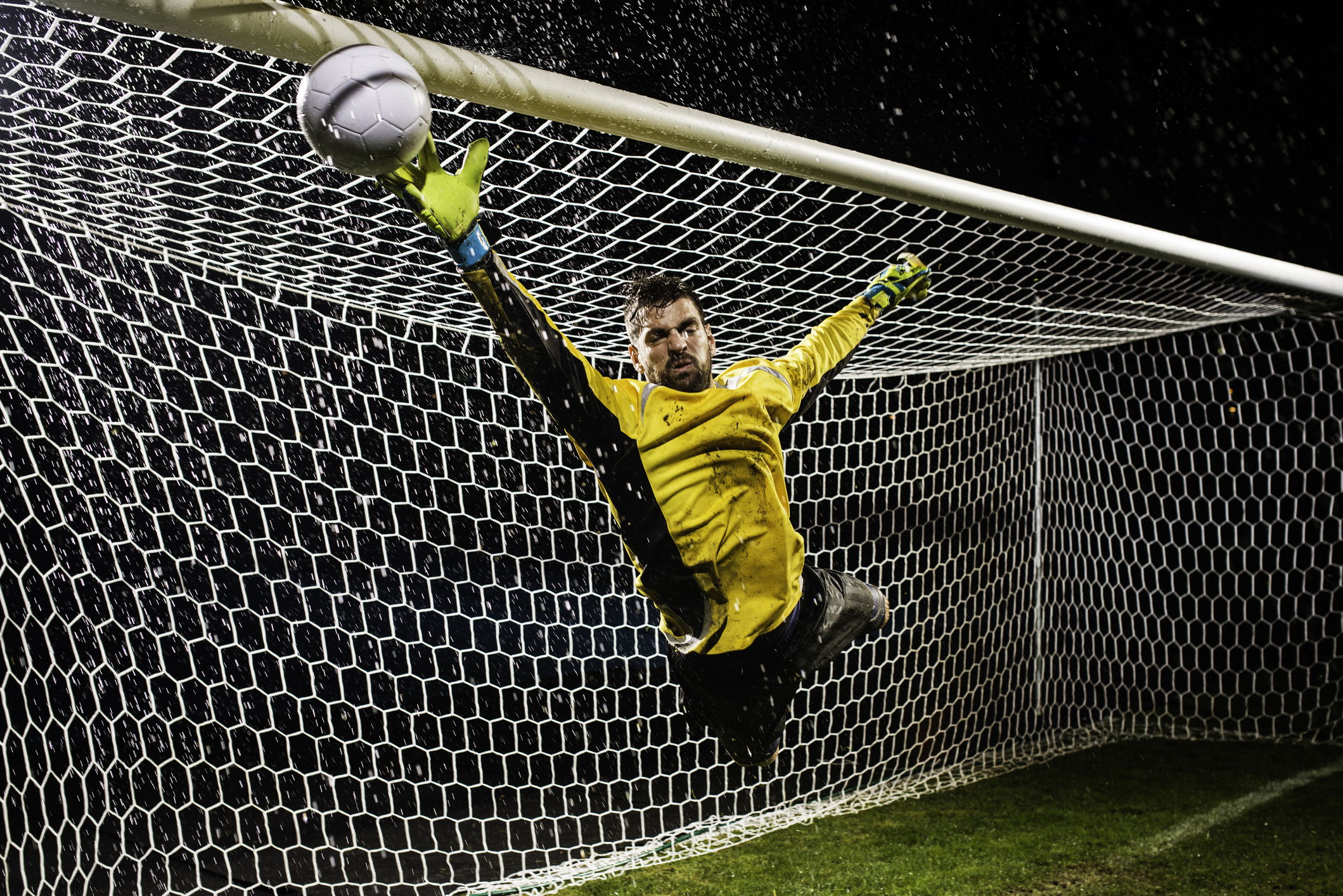
Three Critical Scores for Improving Cognitive Performance
The universally accepted method to measure and improve cognitive performance, whether you are an athlete or business person, is reaction time testing. In this white paper, we examine the importance of monitoring reaction time as…
-
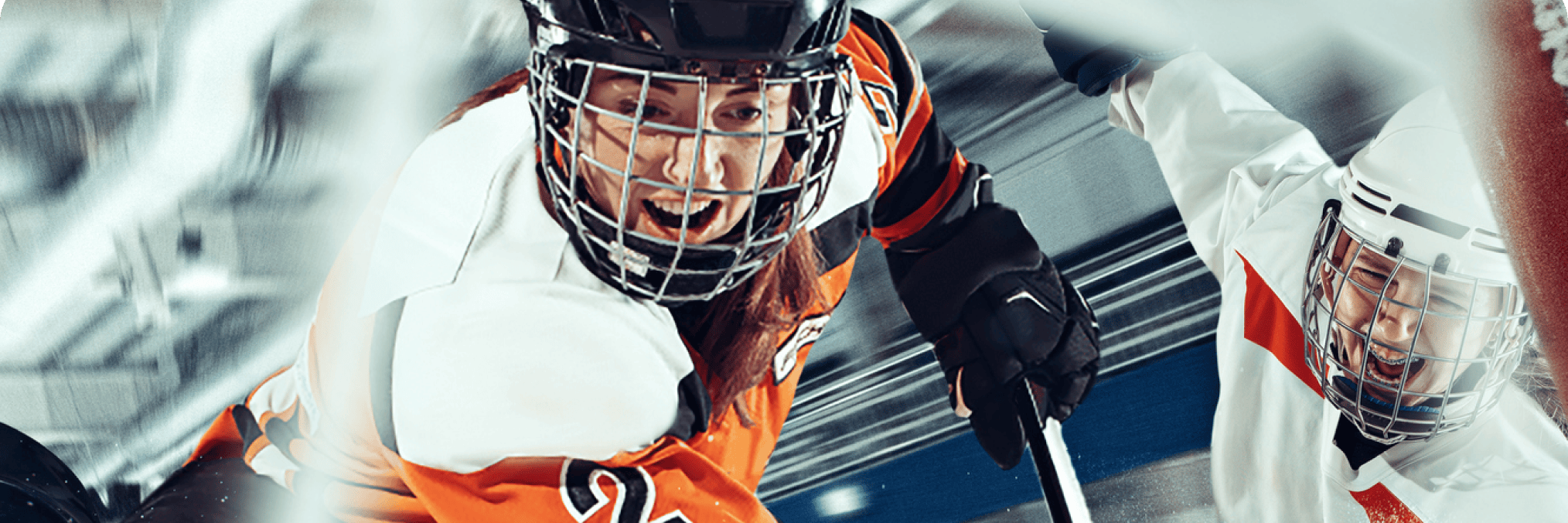
Using Reaction Time Measurements to Avoid Long-term Effects of Brain Injuries
For athletes at any level—youth, high school, college and professional—brain trauma is a major concern. Despite increased awareness of safety measures and concussion protocol, many concussions and head injuries still go undiagnosed. In this white…